_edited.jpg)
_edited.jpg)
Top Appliance Repair Tips from Sivam Engineers

Appliances are the backbone of our daily routines, making life easier and more efficient. However, when they break down, it can disrupt our lives significantly. Knowing how to troubleshoot and repair common appliance issues can save you time, money, and stress. In this post, we’ll share top appliance repair tips from Sivam Engineers that can help you tackle minor issues before they escalate into major problems.

Understanding Your Appliances
Before diving into repair tips, it’s essential to understand how your appliances work. Each appliance has its unique components and functions. Familiarizing yourself with these can help you identify issues more quickly. Here are some common appliances and their basic functions:
Refrigerators: Keep food fresh by maintaining a cool temperature. They have compressors, evaporators, and condensers.
Washing Machines: Clean clothes using water and detergent. They consist of a drum, motor, and various sensors.
Ovens: Cook food using heat. They have heating elements, thermostats, and timers.
Dishwashers: Clean dishes using water and detergent. They include spray arms, filters, and heating elements.
Understanding these components can help you troubleshoot problems effectively.
Common Appliance Issues and Solutions
Refrigerator Not Cooling
One of the most common issues with refrigerators is inadequate cooling. Here are steps to troubleshoot this problem:
Check the Thermostat: Ensure it is set to the correct temperature. The ideal setting is usually between 35°F and 38°F.
Inspect the Door Seals: Damaged seals can cause cool air to escape. Clean them with warm, soapy water and check for tears.
Clean the Condenser Coils: Dust and debris can accumulate on the coils, affecting performance. Use a vacuum or brush to clean them.
Listen for the Compressor: If it’s not running, there may be an electrical issue. Consider calling a professional if you suspect this.
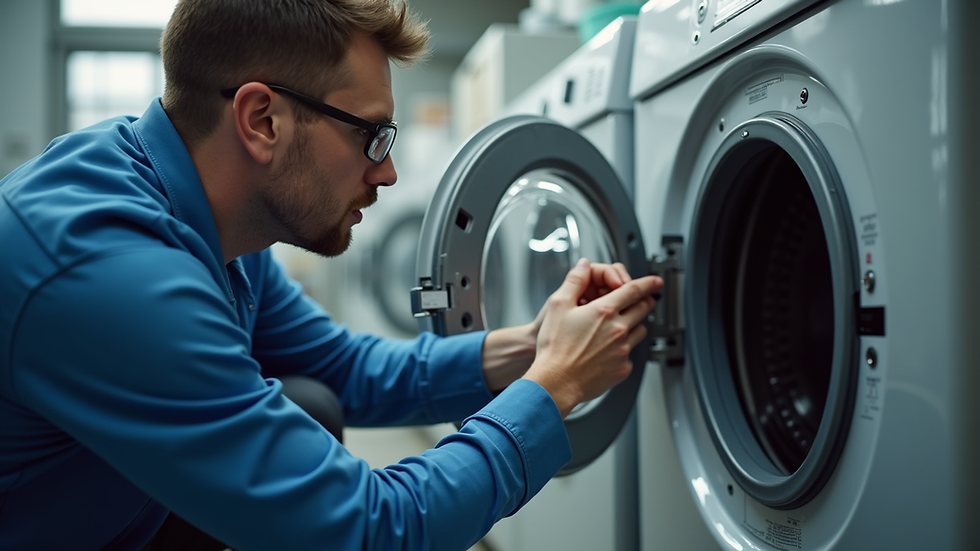
Washing Machine Won't Spin
If your washing machine isn’t spinning, it can be frustrating. Here’s how to address this issue:
Check the Load Balance: An unbalanced load can prevent spinning. Rearrange the clothes to distribute weight evenly.
Inspect the Lid Switch: If the lid switch is faulty, the machine won’t spin. Test it with a multimeter and replace it if necessary.
Examine the Drive Belt: A broken or worn belt can stop the drum from spinning. Inspect it and replace it if needed.
Oven Not Heating
An oven that won’t heat can ruin dinner plans. Here are steps to troubleshoot:
Check the Power Supply: Ensure the oven is plugged in and the circuit breaker hasn’t tripped.
Inspect the Heating Element: If it’s not glowing red, it may be faulty. Test it with a multimeter and replace it if necessary.
Examine the Thermostat: A malfunctioning thermostat can prevent the oven from reaching the desired temperature. Test and replace if needed.
Dishwasher Not Draining
A dishwasher that won’t drain can lead to standing water and unpleasant odors. Here’s how to fix it:
Check the Filter: A clogged filter can prevent drainage. Remove and clean it regularly.
Inspect the Drain Hose: Ensure it’s not kinked or clogged. Clear any obstructions.
Examine the Garbage Disposal: If connected, ensure it’s functioning correctly. A clogged disposal can affect drainage.
Preventive Maintenance Tips
Preventing appliance issues is often easier than repairing them. Here are some maintenance tips to keep your appliances running smoothly:
Regular Cleaning: Dust and debris can accumulate in and around appliances. Regularly clean surfaces, filters, and vents.
Check for Leaks: Inspect hoses and connections for leaks. Address any issues promptly to prevent water damage.
Use Appliances as Intended: Follow manufacturer guidelines for usage. Avoid overloading or misusing appliances.
Schedule Professional Maintenance: Consider having appliances serviced by professionals annually to catch potential issues early.
When to Call a Professional
While many minor repairs can be handled at home, some situations require professional help. Here are signs it’s time to call in the experts:
Electrical Issues: If you notice sparks, burning smells, or frequent circuit breaker trips, seek professional assistance immediately.
Complex Repairs: If the repair involves disassembling the appliance or requires specialized tools, it’s best left to professionals.
Warranty Concerns: If your appliance is still under warranty, attempting repairs yourself may void it. Always check warranty terms before proceeding.
Conclusion
Appliance issues can be daunting, but with the right knowledge and tools, many problems can be resolved at home. By understanding your appliances, performing regular maintenance, and knowing when to call a professional, you can keep your home running smoothly. Remember, taking proactive steps today can save you time and money in the long run. If you encounter a problem beyond your expertise, don’t hesitate to reach out to professionals like Sivam Engineers for assistance. Your appliances deserve the best care!

Comments